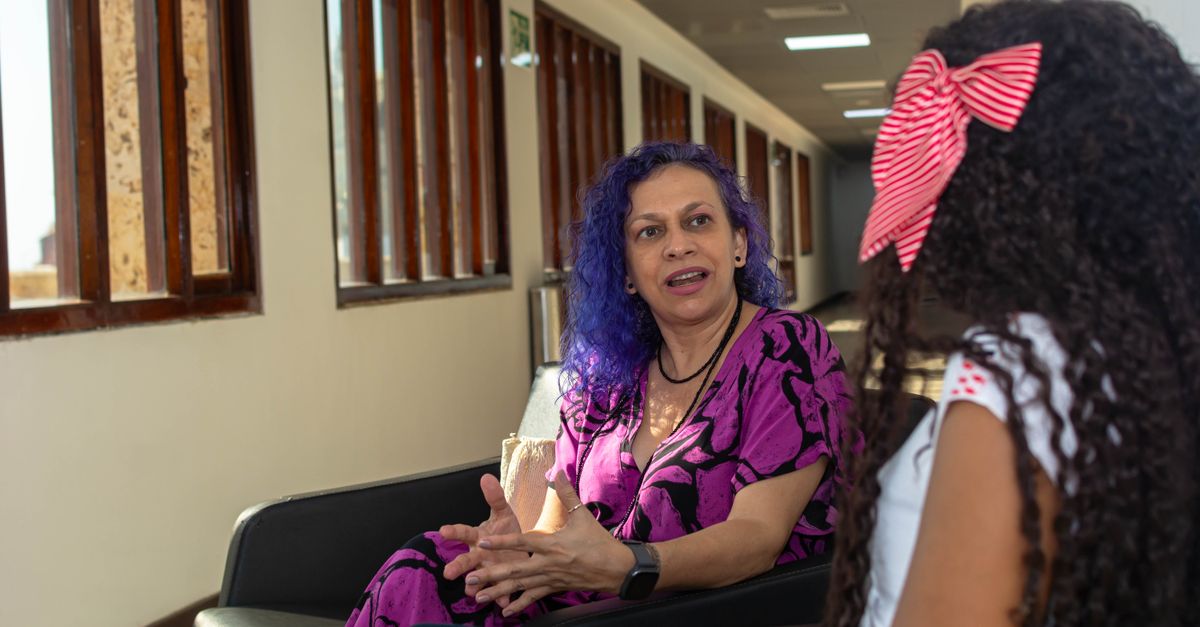
A student struggling with homesickness, anxiety, or something heavier faces a process designed for confident people: find the right office, compose a message explaining something they can barely name, send it to a stranger, and wait — not knowing who reads it, or what happens next. Every unknown in that chain is a reason to close the laptop and cope alone.
Why students do not reach out
It is rarely doubt about whether help exists. It is the friction and the uncertainty around asking: Is my problem serious enough? Who will see this? Will it go on a record? Do I have to explain everything in writing, in my second language? For students from cultures where seeking counseling carries stigma, each unknown weighs more. The result is a quiet pattern every counselor recognizes — students arriving in crisis who had been struggling, reachable, for months.
What a clear request path changes
A simple, private Form that asks only what is needed to respond: name, contact preference, a general topic, urgency — with explicit answers to the questions students are silently asking. Who sees this. What happens next. How soon someone will reply. The Staff Directory alongside shows the counseling team as people, not an office. Lowering the threshold does not create need; it meets need earlier, when support is most effective.
Six steps inside SumHubs
You don't have to start from a blank page.
Counseling appointment requests is a SumHubs template — shaped with your counseling team's wording and process in an afternoon. Request a sample hub to review it together.